
Temporary Resident Permit Lawyer
-
Refusals & DelaysRefusals & Delays
-
Immigration AppealsImmigration Appeals
-
InadmissibilityInadmissibility
-
Temporary ResidenceTemporary Residence
-
Permanent ResidencyPermanent Residency
-
Family SponsorshipFamily Sponsorship
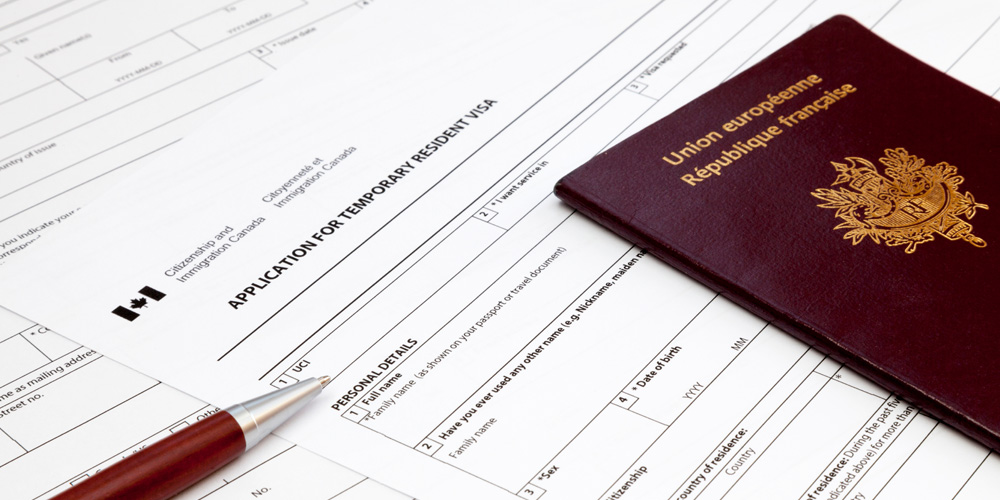
Temporary Resident Permit (TRP) in Canada
If you are facing inadmissibility issues in Canada, whether due to past criminal convictions, medical conditions, or previous misrepresentation, a Temporary Resident Permit (TRP) could be your path to entering or staying in the country. However, applying for a TRP is not an automatic process—it requires careful preparation and a strong legal strategy. Here’s a comprehensive look at TRPs, who needs them, the key requirements for application, and how legal experts can help.
Applying for a TRP is a complex legal process. It often requires a thorough understanding of Canadian immigration laws and regulations. This is where discussing with a Temporary Resident Permit lawyer becomes crucial. With the right legal guidance from a TRP lawyer, individuals can submit a strong application that addresses the requirements set out by IRCC.
Who Needs a Temporary Resident Permit?
A Temporary Resident Permit (TRP) is a special document issued by Immigration, Refugees, and Citizenship Canada (IRCC) that allows individuals who are inadmissible to Canada to enter or remain in the country for a specific purpose and a limited period. Inadmissibility can occur for a variety of reasons, such as:
1. Criminal Inadmissibility
Past convictions, even minor ones such as impaired driving, can result in being barred from entering Canada. A TRP may be required to overcome this inadmissibility.
2. Medical Inadmissibility
Certain medical conditions deemed a risk to public health or safety can lead to inadmissibility. A TRP can allow individuals to enter Canada temporarily despite these restrictions.
3. Misrepresentation
Providing incorrect or incomplete information during a prior immigration application can result in inadmissibility. A TRP offers a temporary solution while addressing this issue.
4. Other Grounds
Other reasons for inadmissibility can include non-compliance with immigration rules. These could be overstaying a visa or working without authorization.
While TRPs can provide a temporary solution for those deemed inadmissible, applicants must prove compelling reasons for their entry and show that their presence in Canada outweighs any associated risks.
Key Requirements for a TRP Application
1. Demonstrating Necessity:
Applicants should clearly outline the purpose of their visit and explain why entering Canada is essential. This could include attending a family event, completing business activities, or receiving medical treatment.2. Assessing Risk Factors:
The Applicant must show that the risks associated with their inadmissibility are minimal. For instance, someone with a criminal conviction may need to demonstrate rehabilitation or provide evidence of good conduct since the offence.3. Evidence Presentation:
A well-documented TRP application is crucial. Always clarify with a TRP lawyer before submitting the required documents. Essential documents may include:- Police clearance certificates.
- Medical records.
- Letters of support from employers, family members, or other relevant parties.
- Evidence of rehabilitation efforts, if applicable.
4. Duration of Stay
You must specify the intended duration of your stay in Canada. The TRP is issued for a limited period, so it’s important to clearly outline your timeline and the activities you plan to undertake during your stay.Steps to follow for a Temporary Resident Permit Application
1. Determine Eligibility
Review the grounds for inadmissibility and assess whether the situation warrants a TRP application.2. Gather Required Documentation:
Compile all necessary documents, including identification, travel plans, and any evidence supporting the reasons for entry.3. Submit the Application:
TRP applications can be submitted at a Canadian visa office or a port of entry. In a few cases the application can be submitted directly to IRCC. The submission method depends on the specific circumstances of the case.4. Pay the Processing Fee:
The current fee for a TRP application is CAD $200, although this amount may be subject to change.5. Await a Decision:
Processing times for TRP applications vary based on the complexity of the case and the location where the application is submitted.Challenges in the TRP Application Process
Though a TRP can be a valuable tool for overcoming inadmissibility, the application process is not without its challenges. Applications may be denied due to incomplete documentation, insufficient justification, or failure to address inadmissibility properly. Immigration officers have significant discretion when evaluating TRP requests, and an improperly prepared application can result in a refusal. This underscores the importance of preparing a thorough and well-documented submission. Working with a Temporary Resident Permit lawyer can help Applicants avoid common pitfalls and strengthen their case.
Why Work With a Temporary Resident Permit Lawyer in Canada ?
Given the complexity of the TRP application process, working with a Temporary Resident Permit lawyer can significantly improve your chances of success. A lawyer specializing in TRPs can:
- Evaluating the applicant’s specific situation to determine the best course of action.
- Ensuring all documentation is complete and addresses the requirements of the application process.
- Preparing persuasive submissions that highlight the applicant’s reasons for entry and address the inadmissibility concerns.
- Representing the applicant in case additional legal proceedings are necessary.
Having expert legal assistance can significantly increase the likelihood of a successful application and minimize the risk of delays or refusals.
TRP Lawyer – Legal Help for Overcoming Inadmissibility
Dealing with inadmissibility can be a challenging experience, but a Temporary Resident Permit – TRP lawyer can provide the legal assistance needed to navigate this complex process. Whether needing help for preparing an application or addressing a denied TRP, expert legal advice can make all the difference.
Contact The Law Office of Tià Sherene McCalla today to discuss in detail and find the most effective solution for all immigration challenges.
Book a Consultation Now!
Frequently Asked Questions
A Temporary Resident Permit (TRP) is a discretionary authorization that allows a person who is otherwise inadmissible to Canada to enter or remain in the country for a specific purpose and period of time.
TRPs are commonly used where inadmissibility arises due to factors such as:
- Criminal history
- Medical inadmissibility
- Misrepresentation
- Other statutory inadmissibility grounds
A TRP does not remove inadmissibility permanently. Instead, it allows entry or stay where immigration authorities determine that the need to enter or remain in Canada outweighs the risk.
You may wish to consult a temporary resident permit lawyer if:
- You have been found inadmissible to Canada
- You were previously refused a visa due to inadmissibility
- You need to enter Canada for work, study, family, or humanitarian reasons despite inadmissibility
TRP applications are highly discretionary and require persuasive written submissions and supporting evidence. A lawyer can help explain the legal framework and prepare a clear, well-supported application.
A TRP is fundamentally different from a regular visitor visa, study permit, or work permit.
- A regular visa or permit is issued when an applicant meets all eligibility requirements.
- A TRP is issued as an exception, allowing entry despite inadmissibility.
Because TRPs are discretionary, approval depends on factors such as:
- The seriousness of the inadmissibility
- The purpose of travel
- Evidence of rehabilitation or compliance
- The length of stay requested
A TRP lawyer can help present these factors in a structured and legally appropriate manner.
Yes. In urgent situations—such as:
- Business or employment obligations
- Medical treatment
- Family emergencies
- Humanitarian circumstances
a Temporary Resident Permit lawyer in Canada can help prepare a focused application explaining the urgency and why the benefits of entry outweigh the risks of inadmissibility.
While some TRP applications may be processed urgently, timelines are determined by immigration authorities and are not guaranteed.
TRPs may be issued for varying lengths of time, depending on the circumstances of the case. They can be valid for:
- A single day
- Several months
- Up to three years
The validity period is set at the discretion of the decision-maker. A temporary resident permit lawyer can also assist with TRP extensions or subsequent applications where continued presence in Canada is required.
If a TRP application is refused, possible next steps may include:
- Reapplying with stronger or clearer documentation
- Addressing the specific refusal reasons identified by IRCC
- Exploring permanent remedies, such as Criminal Rehabilitation, where eligible
Each option has different legal requirements and risks. A TRP lawyer can explain why the application was refused and outline general pathways that may still be available.